lifestyle
Waterbury Transforms: Pedestrian Streets and Arts District Draw Locals Back
From the pedestrianized transformation of Grand Street to the seasonal expansion of the Waterbury Arts District, the city’s rhythm is evolving.
How we reported this
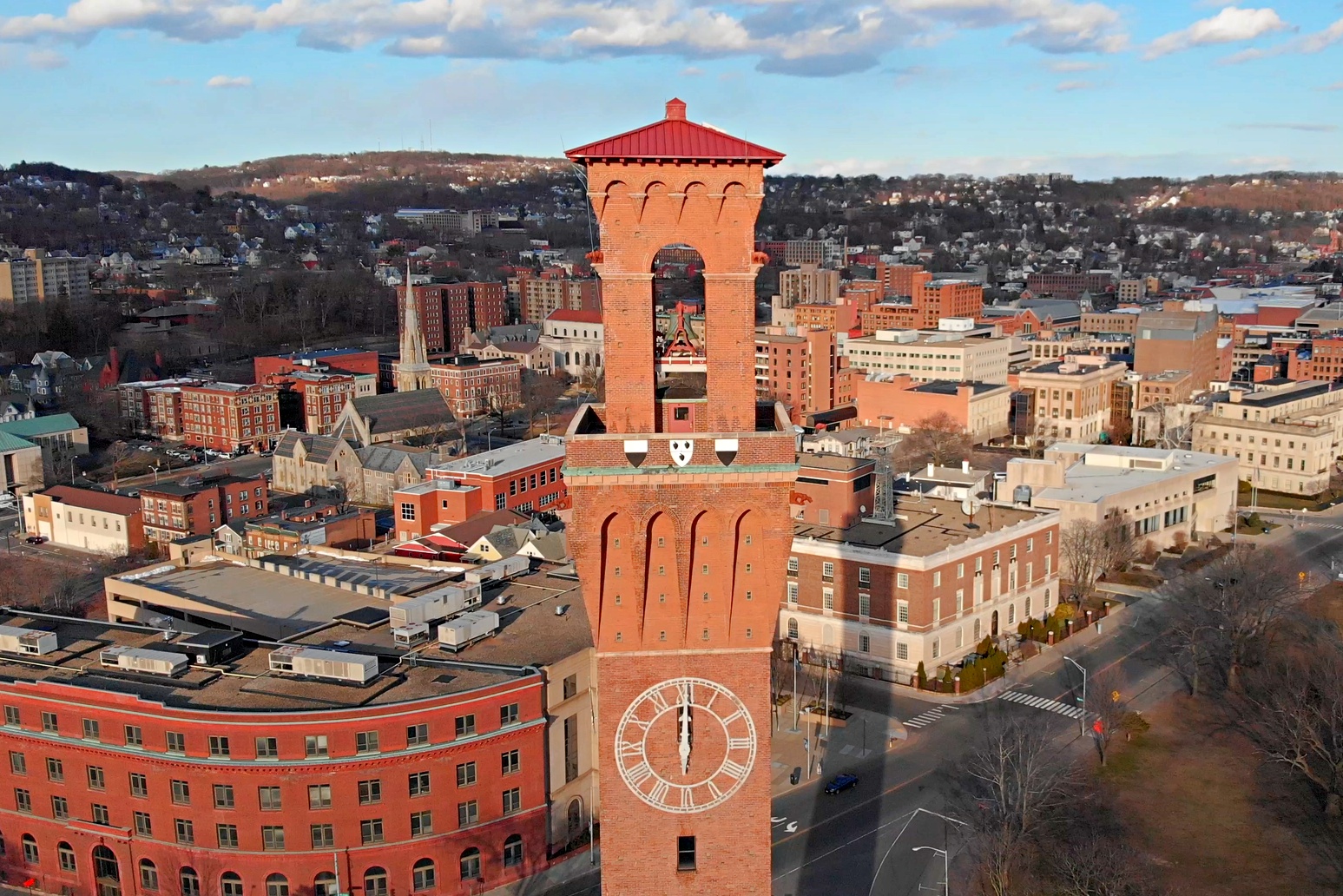
Waterbury’s urban character is shifting as the city moves away from car-centric thoroughfares toward pedestrian-first spaces, fundamentally altering how residents spend their weekends. The recent implementation of the Green Corridor pilot program has turned the central business district into a series of interconnected plazas, prioritizing outdoor dining and community gathering over transit congestion.
This transition marks a departure from previous urban planning strategies that favored rapid vehicular movement through the historic center. Following the completion of the South End rejuvenation project, foot traffic has steadily increased in areas that were once considered transit-only zones. Locals now spend their Saturdays navigating the newly widened walkways near the Clocktower Plaza, which serves as the hub for the city’s evolving weekend economy.
The Arts District and Public Spaces
The Waterbury Arts District has become the primary beneficiary of these planning changes. Once a collection of disconnected galleries, the neighbourhood has utilized the recent zoning updates to host permanent weekend installations that spill out into the street. The transformation of the Old Iron Works into a collaborative studio space has been a particular draw, drawing residents from the residential eastern wards to the city center.
The Riverside Park expansion has also changed the city’s recreational profile. By converting underutilized land along the riverbanks into public green space, the city has created a contiguous path from the northern pier to the southern wetlands. The initiative, funded through the Municipal Development Grant, has allowed for regular weekend pop-up markets that highlight regional food vendors and local craftsmen.
Data from the Waterbury Chamber of Commerce shows that weekend patronage in the Arts District has trended upward over the last two fiscal quarters, a shift attributed to the increased availability of pedestrian-only zones. While total infrastructure investment figures remain subject to ongoing audit by the City Comptroller, local occupancy rates for commercial spaces along Grand Street and surrounding avenues have climbed since the commencement of the Green Corridor project in March. For those looking to explore the city, visiting the downtown stalls before midday is currently recommended to avoid the peak crowds that gather as the temperature rises on Saturday afternoons.
As the city continues to adjust its infrastructure, upcoming plans suggest further expansion of the cycling network connecting the university area to the downtown core. Residents can expect continued maintenance work along the riverside trails throughout the next month, though all public areas are slated to remain open to pedestrians during the transition.