property
How much rent is too much? The 30% rule in practice
Waterbury households test the long-standing affordability benchmark against current local rents and wages.
How we reported this
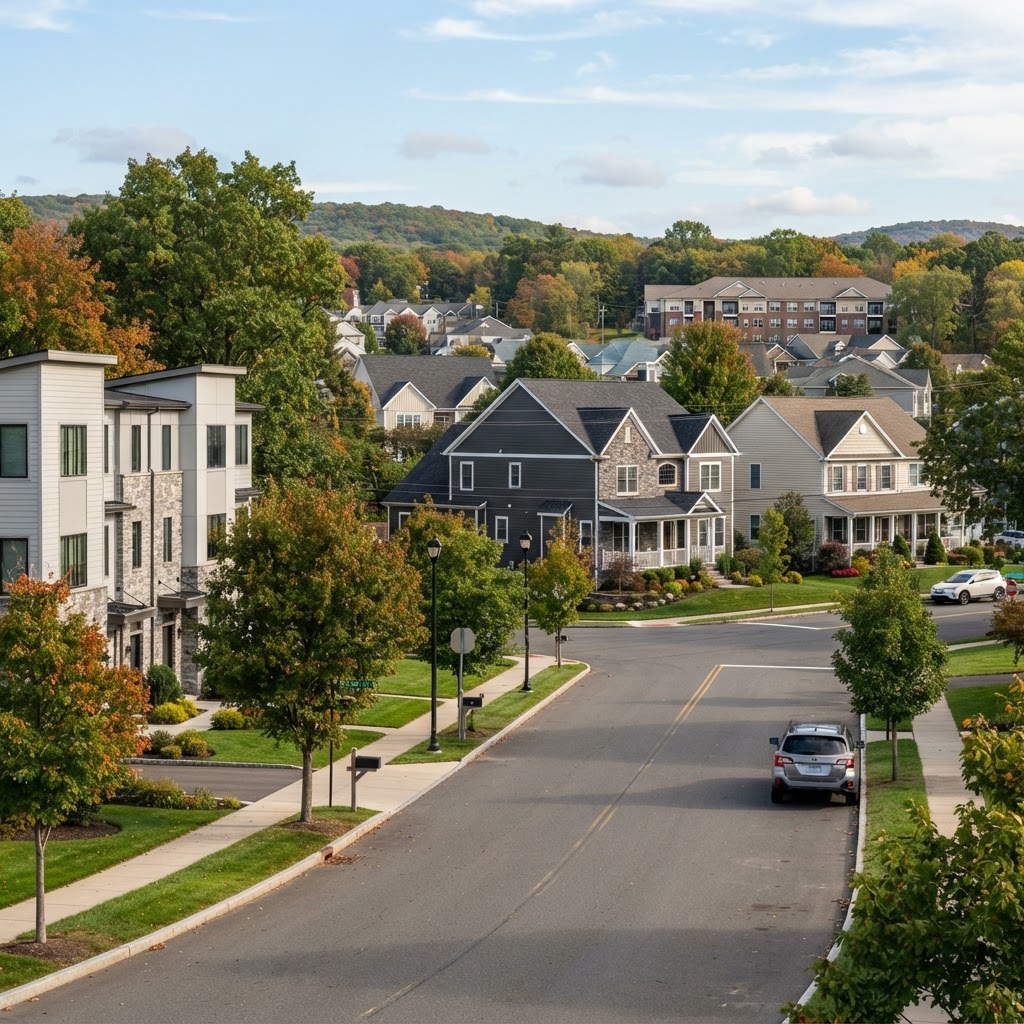
More than 52 percent of Waterbury renter households paid over 30 percent of income on rent in the most recent American Community Survey release covering 2025 data.
The 30 percent threshold has guided housing policy for decades, yet it now collides with Waterbury's median household income of $54,800 and one-bedroom rents that averaged $1,375 citywide as of June 2026. National economic pressures from energy costs and supply chain shifts have lifted local asking prices 9 percent year-over-year, pushing the benchmark from guideline to daily calculation for thousands of tenants.
East Main Street apartments and units near the Waterbury Green show the sharpest gaps. Listings there routinely list at $1,450 for modest one-bedrooms, while the Waterbury Housing Authority reports a waiting list of 1,800 families for Section 8 vouchers. The Naugatuck Valley Council of Governments tracks these trends through its annual housing report, which flags Brooklyn and Downtown as the neighborhoods where the 30 percent line is crossed most often.
Where the numbers land
A single worker earning the city's median wage of $26.35 an hour clears roughly $4,200 monthly before taxes. At the 30 percent limit that leaves $1,260 available for rent, yet current market listings on Bank Street and in the Hillside section start $150 higher. Two-income households at $70,000 combined still face shortfalls once utilities and transit costs from the Waterbury Bus Terminal are added. The same report shows mortgage payments on a $285,000 condo purchased with 5 percent down now run $1,920 monthly including taxes and insurance, exceeding many current rents but building equity.
Next steps for tenants
Residents can request income-based reviews through the Waterbury Development Corporation's housing counseling program before signing new leases. Checking listings against the latest Naugatuck Valley wage tables helps flag when a unit crosses the line. Those already above 30 percent are directed to apply for state rental assistance extensions that remain open through September 2026.
This article is general information only and is not personal financial or investment advice. Consider your own circumstances and seek licensed professional advice before making financial decisions.