property
lenders mortgage insurance: when it makes sense to pay it
First-time buyers in Waterbury weighing down-payment options face a clear calculation on private mortgage insurance costs versus faster equity buildup.
How we reported this
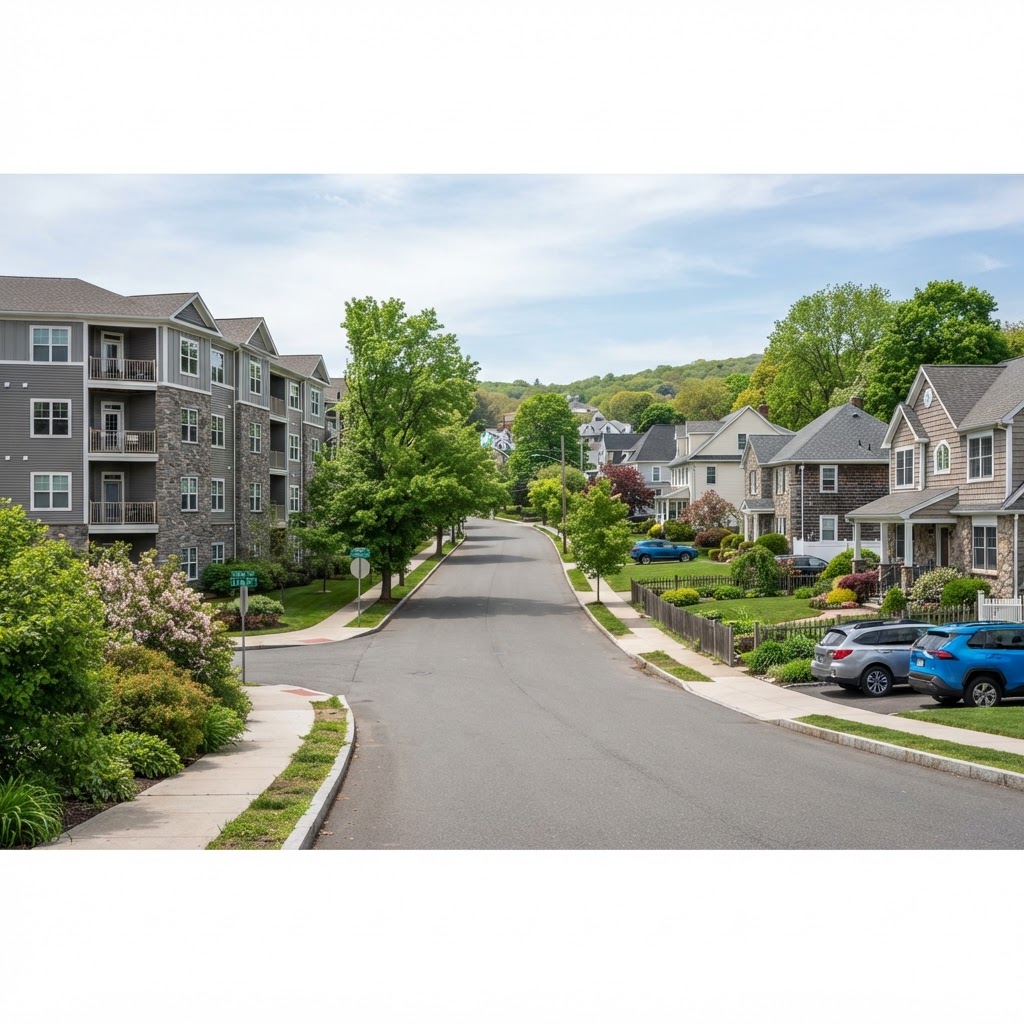
Waterbury first-time buyers putting down less than 20 percent on homes priced around $265,000 now face private mortgage insurance premiums that add $120 to $180 monthly on a standard 30-year loan at current rates.
The choice matters because Waterbury median sale prices climbed 7 percent through the first half of 2026, while state-backed down-payment assistance programs through the Connecticut Housing Finance Authority still require applicants to meet income caps near $92,000 for a household of three. Lenders mortgage insurance, known locally as PMI, protects the bank but raises total ownership costs until borrowers reach 20 percent equity through payments or appreciation.
Local programs and neighborhoods
Buyers targeting the Brooklyn neighborhood along North Main Street or the Hillside area near the Palace Theater often qualify for the Waterbury Housing Authority's first-time homebuyer workshops held monthly at the Silas Bronson Library. Those sessions outline how PMI applies on conventional loans versus FHA options that carry their own mortgage insurance premiums. The Waterbury Development Corporation also runs a forgivable loan program capped at $10,000 for properties within designated revitalization zones that include stretches of Bank Street and the Naugatuck Riverfront.
Participants at the June 2026 workshop learned that a $250,000 purchase with 5 percent down triggers PMI until the loan balance drops below $200,000, a threshold most reach in year seven on a 30-year note assuming steady payments and no extra principal.
Market data from the Greater Waterbury Board of Realtors shows 142 single-family homes sold in the city during May 2026 at a median price of $265,000, up from $247,000 the same month last year. First-time buyers accounted for 38 percent of those transactions, with 61 percent using down payments below 10 percent and therefore carrying PMI.
Practical steps for buyers
Shoppers who expect to stay in a property for at least seven years often find paying the insurance worthwhile to keep monthly cash flow lower and preserve savings for repairs on older stock common in the city's pre-1950 housing. Those planning shorter stays or anticipating quick equity gains from renovations may prefer scraping together the extra down payment to avoid PMI entirely. Local lenders including the branch of Webster Bank on East Main Street now offer rate quotes that separate the PMI line item so buyers can model both scenarios before locking in a loan.
Prospective buyers should run the numbers with their lender using the specific purchase price and credit score, then compare against current Connecticut Housing Finance Authority grant deadlines that close at the end of each quarter. Checking eligibility through the Waterbury Housing Authority before making an offer prevents last-minute surprises on insurance requirements tied to different loan products.
This article is general information only and is not personal financial or investment advice. Consider your own circumstances and seek licensed professional advice before making financial decisions.